
- |
- News |
- Why Does Critical Infrastructure Need Specialist Fire Suppression?
Why Does Critical Infrastructure Need Specialist Fire Suppression?
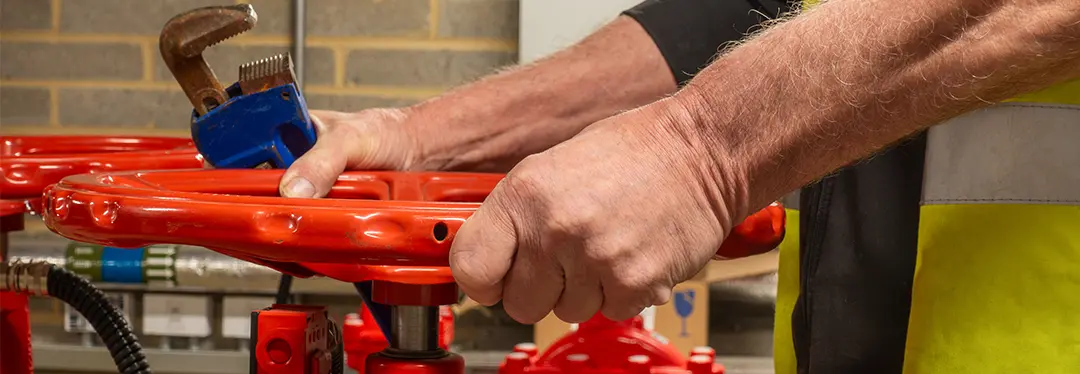
Critical National Infrastructure (CNI) keeps the UK running. From energy networks and transport systems to data centres, healthcare facilities, telecommunications and defence, these environments support essential services that millions of people rely on every day.
For organisations responsible for keeping this infrastructure online, fire presents a very different challenge from that of a typical commercial building. It's not simply about protecting property or meeting building compliance requirements. It's about safeguarding operational continuity, preventing service disruption and protecting assets that are fundamental to national resilience.
As critical infrastructure becomes more connected and technologically advanced, fire suppression systems must evolve alongside it. The question is no longer "Do we have a fire suppression system?" but "Is our fire suppression designed to keep the environment we operate running no matter what?"
At CTS, we believe the answer starts with engineering.
What Makes Fire Suppression Different in Critical Infrastructure?
In a conventional office building, the priority during a fire is clear: protect occupants, contain the fire and minimise damage to the building. Critical infrastructure services present a far more complex challenge. These environments often operate continuously, with electrical systems, operational technology, communications networks and control systems working together in real time 24/7. If one element fails, it can have a knock-on effect across multiple systems, departments or even wider infrastructure networks.
This means a fire incident is rarely just about the fire incident. It can interrupt essential services, damage business-critical equipment, affect regulatory compliance and create operational downtime that costs significantly more than the physical damage itself.
That's why effective fire suppression within critical infrastructure is about protecting systems and operations, not simply extinguishing flames.
Why isn't a Standard Fire Suppression System Enough?
Many traditional fire suppression systems were designed for commercial environments where buildings can be evacuated and operations temporarily suspended while recovery takes place.
Critical infrastructure doesn't have that luxury. Data centres cannot simply power down. Energy facilities continue to support national demand. Hospitals cannot stop treating patients. Transport
networks cannot pause because of a localised incident. These environments require fire suppression systems that are designed around operational continuity from the outset.
In our experience, generic or off-the-shelf solutions often struggle because they weren't designed for:
- Continuous 24/7 operations
- High-density electrical and digital infrastructure
- Sensitive equipment that cannot tolerate water or residue
- Complex airflow and containment conditions
- Integration with wider operational and control systems
- Sector-specific resilience and compliance requirements
The result is a system that may satisfy minimum compliance requirements but falls short of protecting the infrastructure it was installed to serve.
What Should Organisations Look for in a Fire Suppression Partner?
Every environment is different, but there are several questions organisations should ask before investing in a fire suppression system.
- Does the provider understand our operational environment? Fire protection should be designed around how your facility operates, not simply the type of building it occupies.
- Can they engineer a bespoke solution rather than recommend a standard product? No two critical infrastructure environments carry identical risks. Effective fire suppression starts with understanding those risks before selecting technology.
- Can they integrate fire suppression with our wider infrastructure? Detection, suppression, building management systems and operational controls all need to work together during an incident. Integration is often the difference between containing a fire and managing a wider operational failure.
- Do they support the system throughout its lifecycle? Fire suppression isn't a one-time installation. Regular testing, maintenance, compliance, system upgrades and specialist gas management are essential to ensuring long-term performance.
These principles shape every project CTS delivers.
One of the biggest misconceptions surrounding fire suppression is that success depends primarily on selecting the right suppression agent or system. In reality, the equipment is only one part of the solution. The effectiveness of a fire suppression system depends on how well it has been engineered for its environment.
At CTS, every project begins with understanding the risk before recommending a solution. That means considering factors such as room integrity, airflow, equipment sensitivity, operational dependencies, discharge calculations, system integration and future maintenance requirements.
Only once these factors have been evaluated can the most appropriate suppression strategy be designed. This engineering-led approach enables organisations to protect not only physical assets but also business continuity.
How CTS Approaches Critical Infrastructure Fire Suppression
CTS works with organisations operating some of the UK's most demanding environments, delivering engineered fire suppression solutions that prioritise resilience, operational continuity and long-term reliability. Rather than treating fire suppression as a standalone system, we view it as part of a wider operational strategy. Every project follows the same engineering philosophy:
- Understand the operational risk.
- Design around the environment, not the product.
- Integrate seamlessly with existing infrastructure.
- Protect people, assets and business continuity.
- Support the system throughout its operational lifecycle.
By combining engineering design, fire safety expertise, specialist gas suppression capability, installation and ongoing lifecycle support, CTS provides a fully integrated approach to fire suppression for critical infrastructure.
Looking Beyond Compliance
As critical infrastructure becomes increasingly digital, interconnected and operationally critical, fire suppression is evolving from a compliance requirement into a resilience strategy. The organisations best prepared for future risk won't simply install compliant systems. They'll invest in engineered fire suppression solutions that are designed around the way their infrastructure operates, protecting people, assets and the essential services they deliver. At CTS, that's how we believe critical infrastructure should be protected.
Contact UsReady to Get Started?
Fill out the form below and our experts will be in touch.
Thank you for contacting us.
We’ve received your message and will respond as soon as possible.