
- |
- News |
- Cyber Risk and Fire Protection in Critical Infrastructure
Cyber Risk and Fire Protection in Critical Infrastructure
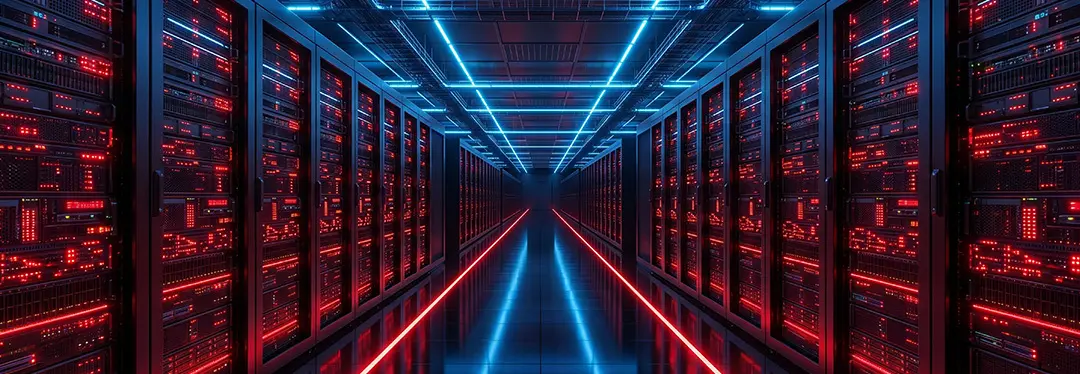
When we think about fire protection, we usually think about physical risks such as fire detection, alarms, suppression systems and protecting the equipment and people inside a building. But critical infrastructure is becoming increasingly connected. Data centres, utilities, industrial facilities and other critical environments now rely on networks and digital systems for everything from monitoring and communications to building management and operational control.
That raises an important question: what happens to fire protection when the systems around it are affected by a cyber incident?
It doesn't necessarily mean the fire protection system will stop working. In many cases, the equipment installed within a facility can continue to operate locally even if another part of the network is unavailable. The important thing is understanding the connections around the system, what they are used for and what happens if they are lost.
Understanding the Wider System
Fire protection rarely operates completely on its own. Depending on the facility, fire detection and suppression systems may connect with building management systems, remote monitoring, alarm communications or other operational technology. These connections can provide useful benefits, such as remote monitoring and faster access to system information.
But they can also create dependencies. For example, a problem with network infrastructure could affect remote monitoring or alarm communications without necessarily affecting the fire protection equipment itself.
That's why the question isn't simply “Is the fire protection system connected?” It's more useful to ask:
- What is it connected to?
- What does that connection do?
- And what happens if it becomes unavailable?
Having a clear understanding of these relationships can make a real difference in facilities where keeping operations running is critical.
Looking at Cyber Dependencies
When reviewing your fire protection, it makes sense to look beyond the equipment itself and consider the environment around it. This might include network connections, remote monitoring, building management systems, alarm communications or other operational systems. If one of these systems is affected by a cyber incident, the impact will depend on how everything has been designed and connected. It could affect how information is received, how alarms are communicated or how systems are monitored remotely. That doesn't mean connectivity is a problem in itself. It simply means that the dependencies need to be understood. A review can help answer some straightforward questions:
- What functions are carried out locally?
- Which functions rely on external networks or communications?
- What happens if those connections are unavailable?
- Could remote monitoring or alarm notifications be affected?
- Are there suitable local controls or alternative arrangements?
- Have changes to the building, network or operational environment affected the original fire protection design?
These questions can help build a clearer picture of how resilient the overall fire protection arrangement is.
Reviewing Existing Fire Protection
This is particularly relevant in facilities that have been operating for several years. Critical buildings rarely stay exactly as they were when they were first designed. Equipment is replaced, buildings are modified, networks are upgraded and different contractors may work on different parts of the installation. Over time, the system that is in place can look quite different from the original design.
Through consultancy and fire suppression services, CTS Group can help organisations review their existing fire protection arrangements and understand:
- What systems are installed
- How those systems interact with other building and operational systems
- Which functions rely on external communications or infrastructure
- What has changed since the original installation
- Where potential gaps or dependencies exist
- Whether changes to the wider environment could affect fire protection
- Whether the existing strategy is still appropriate for the facility
This isn't necessarily about replacing equipment. Often, the first step is simply understanding what is already there and whether it still meets the needs of the facility.
Designing for the Whole Environment
Good fire protection design starts with the facility itself. A data centre, energy facility, healthcare site or industrial plant will have very different risks and operational requirements from a standard commercial building. The fire protection system needs to work within that environment. CTS Group provides specialist fire suppression solutions for complex and critical environments, including digital infrastructure, energy, defence, healthcare, financial services and other operational facilities. Our approach covers the full lifecycle, from consultancy and system selection through to installation, maintenance and ongoing technical support.
Depending on the application, this can include gas suppression, fire detection and alarm integration, hydraulic calculations, pressure relief, enclosure integrity and technical documentation. Where the fire protection system connects with other building or operational systems, those connections can also be considered as part of the wider design.
The aim is straightforward: to develop a fire protection system that works effectively within the facility, rather than looking at the protected room in isolation.
What About Resilience?
Connectivity isn't necessarily something that needs to be avoided. In fact, connected systems can provide valuable information and make it easier to monitor and manage fire protection. The important thing is understanding what happens when something goes wrong. Looking at network boundaries, system dependencies and potential loss of communications can help identify where additional resilience or alternative arrangements may be useful. Every facility is different, so there isn't a single approach that works everywhere. The right solution will depend on the risks, the system architecture and how the facility operates. The goal is to make sure that useful connectivity doesn't create unnecessary dependencies for critical fire protection functions.
Fire Protection Doesn't End at Installation
A fire protection system doesn't exist in isolation, and it doesn't stay unchanged forever. As a facility develops, its fire protection needs to develop with it. Changes to equipment, building layouts, network infrastructure or monitoring arrangements can all affect the environment around a fire protection system. Regular inspection and maintenance can help identify these changes and make sure the system continues to perform as intended. CTS Group's maintenance and after-sales support help organisations keep fire suppression systems operational and compliant throughout their lifecycle. This can include inspection, testing, maintenance, technical support and specialist services such as pressure relief and gas extraction.
Training matters too. Making sure engineers, contractors and facilities teams understand the systems they are working with helps keep fire protection properly maintained and operated.
A Connected Future
Cyber incidents are only one part of a much bigger picture. As critical infrastructure becomes more connected, fire protection needs to be considered alongside the digital and operational systems around it. CTS Group brings consultancy, fire suppression, engineering, maintenance and ongoing technical support together to help organisations protect critical infrastructure and maintain operational continuity.
Contact UsReady to Get Started?
Fill out the form below and our experts will be in touch.
Thank you for contacting us.
We’ve received your message and will respond as soon as possible.