
- |
- News |
- Why Fire Protection Systems Must Be Managed Across Their Entire Lifecycle
Why Fire Protection Systems Must Be Managed Across Their Entire Lifecycle
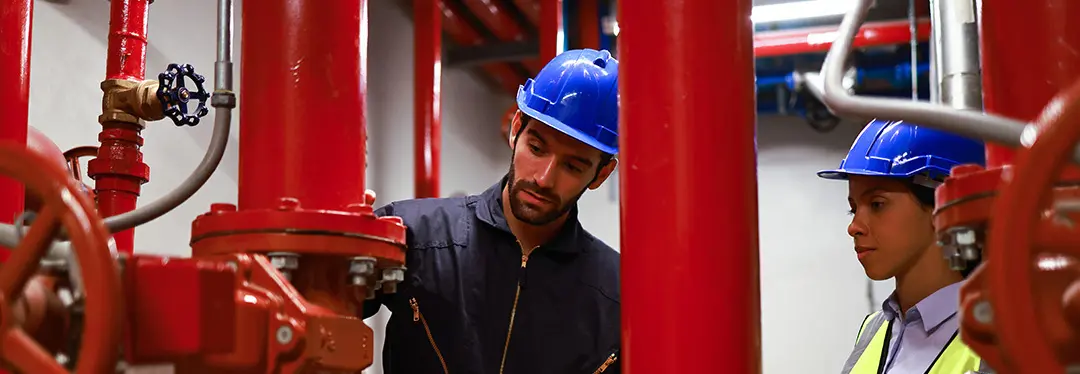
Safety is best understood as a proactive investment, much like insurance. It provides reassurance long before it is ever called upon. While its value may not always be immediately visible, it becomes indispensable in key moments. Therefore, when critical network infrastructure organisations invest in a fire protection system, the expectation is simple: if the worst happens, it will work.
The challenge is that fire protection isn't something you install once and forget. Buildings evolve, equipment is replaced, layouts change and operations grow. Without ongoing management, even a well-designed system can become less effective over time.
Robust fire protection doesn't just safeguard people. It protects hard-earned reputations, supports business continuity and helps minimise the financial impact of disruption, damage and liability. Far from being an optional extra, it underpins resilience, trust and long-term success.
Like any investment, however, its value depends on how well it is maintained.
Fire Protection Is a Living System
It's easy to think of a fire suppression system as a fixed asset: designed, installed and left to do its job. In reality, a fire protection system forms part of a much wider safety strategy. It is designed around a building's layout, occupancy, equipment, operational processes and the specific risks within that environment.
The moment any of those factors change, the fire strategy should be reviewed. Perhaps a server room has expanded. A production line has been reconfigured. New battery storage has been introduced. Internal walls have been added, ventilation systems upgraded or electrical infrastructure replaced. Individually, these changes may appear insignificant, but collectively they can alter the way a fire suppression system performs.
Fire protection should never be viewed as a one-off project. It is an ongoing process of assessment, maintenance and validation that ensures systems continue to provide the protection they were designed to deliver.
Why Every Change Matters
Facilities rarely stand still. As organisations adapt to new technologies, increased demand and changing operational requirements, their buildings naturally evolve too. Common changes include:
- Installing new equipment or machinery
- Reconfiguring rooms or production areas
- Expanding server or communications infrastructure
- Upgrading electrical or mechanical services
- Introducing battery energy storage systems
- Altering ventilation or cooling systems
- Changing the use of existing spaces
While these projects are often planned with operational efficiency in mind, their impact on fire protection can easily be overlooked. Even relatively small alterations may influence detection coverage, suppression performance or the ability of a protected enclosure to retain extinguishing agents during a discharge.
Maintenance Is More Than a Service Visit
Routine maintenance is an essential part of any fire protection strategy, but effective maintenance goes beyond scheduled inspections. It is about understanding whether the system still reflects the environment it protects.
Regular inspections help identify wear, deterioration or component failures before they become critical. Just as importantly, they provide an opportunity to review whether changes to the building, equipment or operational processes have affected the system's performance. A well-maintained fire protection system continues to meet the needs of the environment in which it operates.
Maintaining accurate records, reviewing previous modifications and ensuring documentation reflects the current installation are all important parts of effective fire protection management.
Why Post-Work Validation Is Essential
Whenever significant work takes place within a protected area, fire protection should form part of the project close-out process. A simple question should always be asked: Does the fire protection system still provide the level of protection it was originally designed to deliver?
Post-work validation provides confidence that maintenance activities, refurbishment projects or operational changes have not unintentionally affected system performance. A review may include confirming that:
- Detection coverage remains appropriate.
- Suppression systems can still discharge effectively.
- Room integrity requirements have been maintained.
- Pressure relief arrangements remain suitable.
- New equipment has not introduced additional fire risks.
- Documentation accurately reflects the current installation.
- The system continues to comply with relevant standards and manufacturer guidance.
These checks help ensure that a fire suppression system remains reliable. Not just on paper, but in practice as well.
Looking Beyond Compliance
Compliance is an important part of fire protection, but it should never be the only objective. The organisations that manage fire safety most effectively tend to view it as part of a wider strategy for operational resilience.
For data centres, hospitals, manufacturing facilities, utilities, transport hubs and other critical environments, even a short period of downtime can have significant operational and financial consequences. A fire suppression system is there to provide confidence that essential services can continue, assets remain protected and recovery can begin as quickly as possible should an incident occur.
Taking a lifecycle approach helps ensure that confidence remains justified throughout the life of the system.
Fire Protection Is Never Truly Finished
The most effective fire protection strategies recognise that buildings are constantly changing. New technologies are introduced. Businesses expand. Equipment reaches the end of its service life. Regulations evolve. Every one of these changes presents an opportunity to ask whether existing fire protection measures remain appropriate.
Managing fire protection across its entire lifecycle, from initial consultancy and design through to maintenance, upgrades, testing and replacement, helps ensure systems continue to perform when they are needed most. As ultimately, a fire suppression system is much like an insurance policy. You hope you'll never need it, but if the day comes when you do, it must work exactly as intended.
Protecting that investment through ongoing management is fundamental to protecting people, safeguarding assets and ensuring business continuity for years to come.
Keep Your Fire Protection Working as Intended
CTS provides complete fire suppression systems for organisations operating in critical environments across the UK. Bringing together specialist expertise in consultancy, engineering, installation, maintenance and cylinder lifecycle management, we support customers throughout every stage of their fire protection journey, helping ensure systems remain safe, compliant and ready to perform when it matters most. If you'd like to discuss your fire suppression requirements or arrange a system review, our team is here to help.
Speak with an ExpertReady to Get Started?
Fill out the form below and our experts will be in touch.
Thank you for contacting us.
We’ve received your message and will respond as soon as possible.